
Spain Leads the Continent with 59% Unit Share
Food and Beverage Categories Drive Retail Growth
Pricing Pressure Accelerates Private Label Dominance
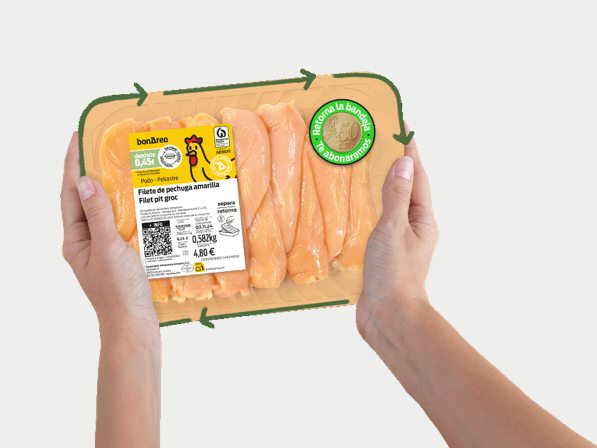
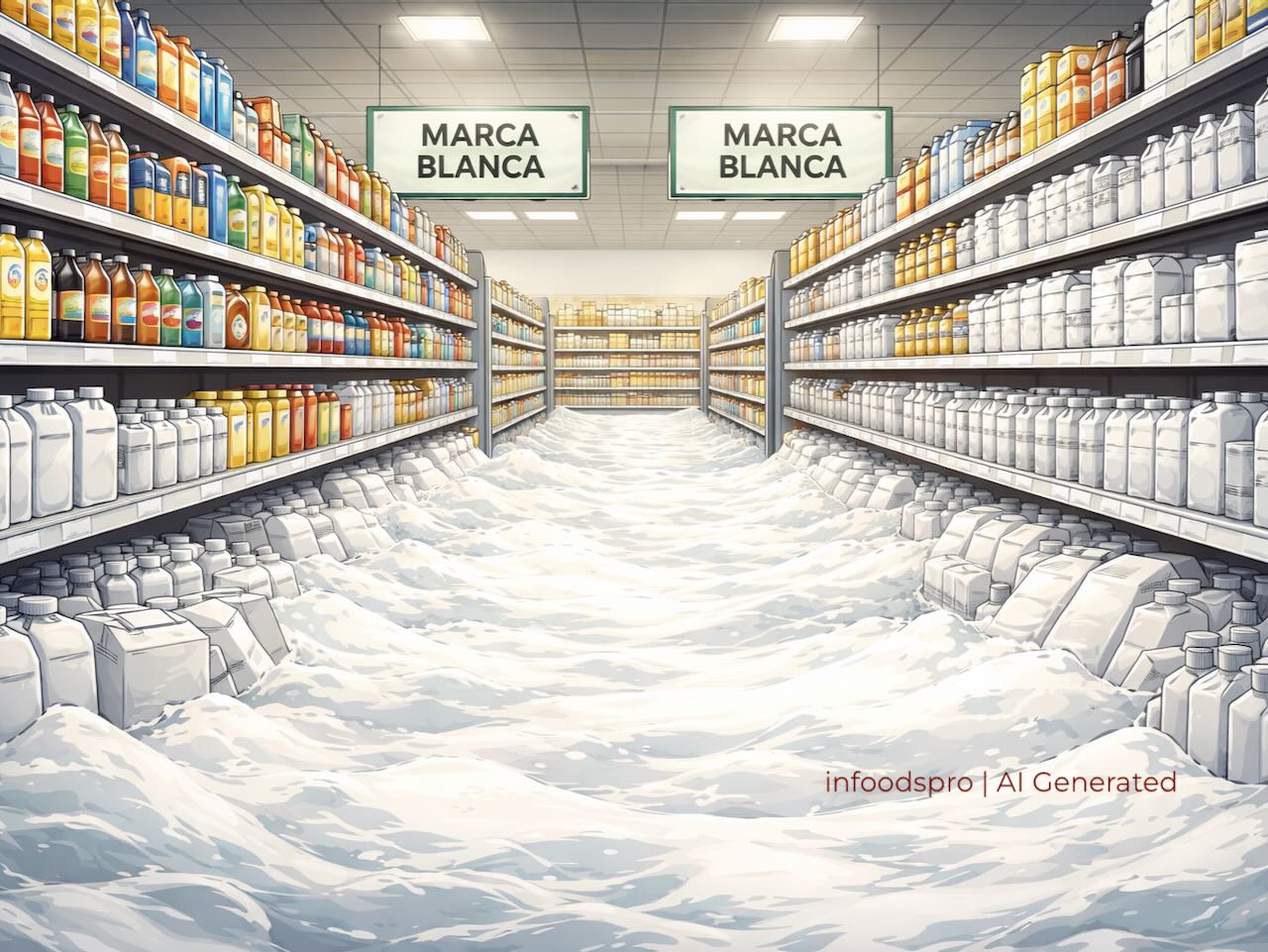
Private label (PL) brands have reached a 50% unit market share across the six major European FMCG markets. Spain leads this trend with a 59% share, driven by inflationary pressure, shifting shopping habits, and the sustained growth of premium private-label segments in retail.
Private Label Solidifies Leadership in Europe
Barcelona, 10/04/26
For the first time, private label (PL) brands have achieved a 50% unit share across France, Germany, Italy, the Netherlands, Spain, and the UK, according to data from Circana.
This advancement reflects a structural shift in European consumer behavior, triggered by cost-of-living pressures and the search for more accessible alternatives.
Since 2021, private label share has grown steadily, accumulating over three percentage points with further increases projected. Spain leads this positioning with a 59% unit share, followed by the Netherlands at 56%, while the UK and Germany stand at 52%, France at 46%, and Italy at 36%.
This growth confirms the transformation of private labels, which have evolved from budget options to competitive alternatives to manufacturer brands, offering increasingly segmented and value-oriented propositions.
Food and Beverages Drive the Surge
The food and beverage categories have been the primary engine of private label growth, particularly in segments such as ready meals, snacking, beverages, and dairy.
Simultaneously, development in categories like bottled water reflects a strategy based on competitive pricing, intensive promotions, and consumer segmentation.
Circana’s analysis, based on millions of SKUs across more than 230 FMCG categories, confirms that retailers have successfully maintained a balance of low price and high quality, reinforcing consumer trust.
Furthermore, private labels are aligning with key trends such as health, high protein content, and lifestyle preferences, incorporating premium offerings and innovation on the shelves. In contrast, non-food categories remain under greater pressure from manufacturer brands.
Digitalization and Pricing Redefine Competition
The growth of private labels is bolstered by the expansion of online channels and shopping environments driven by Artificial Intelligence, which prioritize accessible products that meet the same functional needs.
This context favors direct comparison based on price and functionality, reducing the weight of traditional branding.
Retailers are also activating digital strategies to capture younger consumers—who are less loyal to major brands—through social media and new sales formats. Meanwhile, the price war is intensifying: 34% of manufacturer brand units are sold under promotion, compared to just 14% for private labels.
In terms of value, private labels now represent 42% of sales across the six main European markets, with a volume of €324 billion. Spain reaches 52% in value, followed by the Netherlands at 55%, while Germany and the UK sit at 44%.
In the short term, the inflationary context and geopolitical tensions may continue to drive the weight of private labels in the shopping basket, forcing manufacturer brands to reinforce their pricing, promotion, and data analysis strategies to remain competitive.
infoodspro+